
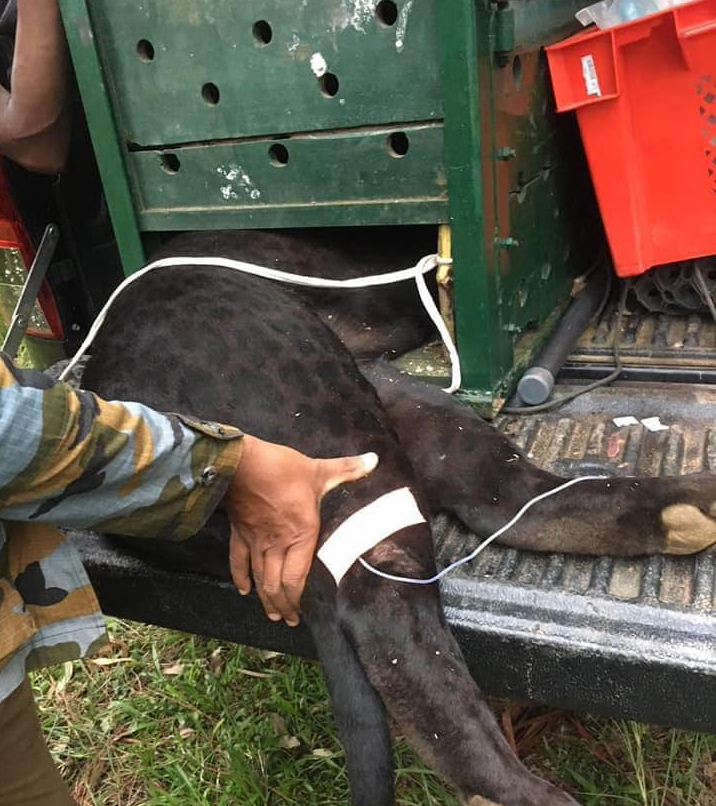
Those of you who follow my posts (thank you for caring) know that snares are a hot (as in I get heated) topic, the use of these traps is something we actively combat on the ground. In the last week or so I’ve tried to get a snapshot of the overall situation. There are now too many reports to process but there is a picture, much of it as predicted.
I’ll come to the image of yesterday’s injured black (melanistic) leopard shortly but it’s important to remember that snaring of wild animals was a huge problem well before the pandemic. Based on information coming in snare trapping has increased since the outbreak of covid-19 and the lockdown conditions over much of South Asia. The two main drivers of meat consumption and targeting for illegal wildlife trade remain the same, it is the degree of opportunity which has increased because wildlife protection resources are stretched to the limit. However, as food security and economic difficulties mount as problems the motivation to hunt for wild animals also increases. Just in our region alone there are thousands of migrant workers, some who have not eaten for days, either stuck at borders or still making their way, often on foot, to villages. Food and money just to survive are obvious priorities so the killing of wildlife becomes a strong option. As the humanitarian emergency increases so does the likelihood of people taking this option.
It’s happening. The pressure in and around protected areas is growing. Jails are filling up, data showing illegal incursions into forests often at night is starting to clog and the ability to combat the problem is more difficult under lockdown conditions. Protection of key wildlife populations where the density is high in core areas is the priority, in fact it’s really the only option. The fact is many wild animals are being killed and many more will be in the months ahead. On a personal level, discussing the issue with team members and collaborators yesterday after some work in the field was sobering, there is a realization of just how bad the problem has become. Last night was another re-planning, deep into the small hours of the morning, the use of our system LeopardEye a top priority now as we work in collaboration with authorities. It’s a matter now of protecting every wild animal possible, in the knowledge that it is impossible to protect all. As soon as I finish writing this short blog post it’s back to working on equipment that we need to get back into the field today.
The black leopard in the image was caught in a snare in Sri Lanka. Most of the reports I get are from India and Nepal but Pakistan and Sri Lanka also have problems with snare traps, it’s a South Asian scourge. The leopard in the image was treated and released, I’ll know more later today about its progress but it is heartening this leopard has a chance of survival. Most leopards, big cats, wildlife in general, when caught in snares, aren’t so lucky. The last but vital point with all this is just who will step up to support all efforts to protect wildlife at this difficult time. Time will tell who really cares and that amount of care will dictate exactly just how wildlife survives.
It’s in our hands…
Appended 28 May 2020:
Appended 29 May 2020 as more information comes through:
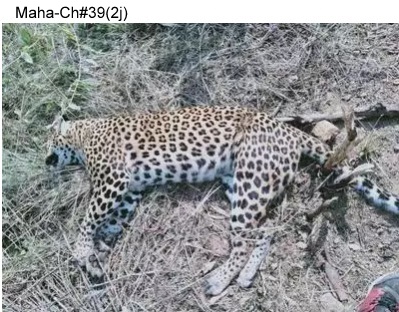
The leopard referenced yesterday, caught in a snare in Telangana, died from its injuries. Locals claimed the snares were set for problematic wild boar. I’ll come to this issue in a later post as both India and Nepal have provision for the legal killing of wild boar in certain circumstances.
The leopard in this image (above) is from a case further west a few months ago. Five people were arrested, they also claimed the snare was set for wild boar. As I’ve mentioned previously follow up on cases is important as it can lead to information on which poachers are active in certain areas but it also spotlights investigation and judicial processes. If procedures and deterrents are not functioning well then the problem continues without abatement. That is the situation in so many parts of South Asia at the moment.
My own day usually begins around 5am working on these cases before any field work needed. With the heat now it is important to get field done as quickly as possible then it’s back to case work. #AntiSnare has had to take on extra focus since the start of the pandemic.
Over the years there has been plenty of publicity about the wild meat (bushmeat) issue in Africa. In recent times South East Asia has also come under more scrutiny. The problem in South Asia needs similar attention and it needs action. It’s not just leopards suffering, many species are dying horrible deaths in snares. I’ll say it for the millionth time, poaching and wildlife trade in general are part of the breakdown of ecosystems leading to all sorts of problems for humanity. Wildlife conservation and human health aren’t separate, they’re linked in ways that more people need to truly understand and act on.
